
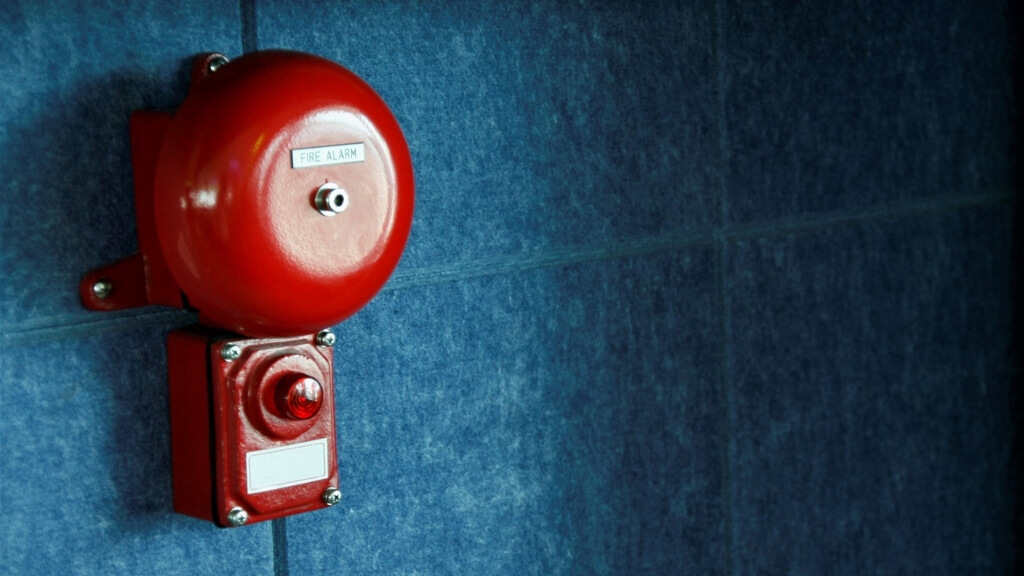
Fire alarm testing is essential for keeping people and buildings safe. The primary purpose is to ensure fire detection and warning systems function properly in emergencies. A reliable system provides early warning, allowing occupants to evacuate quickly and emergency responders to act faster.
There are several types of checks involved in fire alarm testing:
- Visual inspections – checking control panels, indicators, and visible parts for faults
- Functional tests – activating call points to confirm alarm response
- Audible checks – ensuring the alarm can be heard clearly in all required areas
In the UK, all testing must align with BS 5839-1, the national standard for fire alarm systems in non-domestic buildings. Compliance with this and the Fire Safety Order 2005 is not optional—failure to follow procedures can lead to prosecution, fines, or worse, system failure during a real emergency.
What Are the Legal Requirements and Testing Frequency?
What Do UK Regulations and Standards Say?
Under UK fire safety law, fire alarms must be maintained in efficient working order. BS 5839-1 offers guidance for commercial and public premises, setting expectations for both frequency and method.
The responsible person, whether that’s a building owner, facilities manager, or fire safety officer, must arrange regular testing and maintenance. Ignoring this responsibility can result in:
- Fines and enforcement action from fire authorities
- Legal liability in the event of a fire
- Voided insurance claims due to non-compliance
The goal of these regulations is not just paperwork compliance, but real, practical safety for everyone in the building.
What Are the Required Testing Intervals?
Standard testing intervals typically include weekly, monthly, and annual checks.
Weekly testing requires activation of a different manual call point each time. This confirms:
- The control panel identifies the correct zone
- The alarm sounds clearly and immediately
- The system can be reset and returns to standby
Monthly or quarterly testing may involve checking the battery condition, verifying power supplies, and reviewing system logs for errors. These inspections help detect less obvious issues before they escalate.
Annual inspections must be carried out by a certified technician. This involves a comprehensive review of every detector, call point, sounder, and circuit in the system, ensuring full legal compliance and proper functioning under stress conditions.
How Is Fire Alarm Testing Handled in Different Building Types?
What About Residential Properties and Blocks of Flats?
In residential settings, testing responsibilities depend on the area of the property. Landlords and housing associations are responsible for maintaining and testing fire alarms in communal spaces, such as stairwells, entrances, and corridors. These areas should undergo weekly testing using the system's manual call points.
For individual flats or houses, the focus is typically on residential fire alarms, which are often stand-alone smoke or heat detectors. Tenants are expected to test these weekly using the built-in test button. However, when alarms are interlinked or monitored as part of a wider building system, landlords must include them in the regular testing routine.
Where systems are connected across units—such as in supported housing or HMOs—the testing becomes more complex and must be carefully scheduled to avoid false evacuations.
How About Commercial and Public Buildings?
Commercial premises and public institutions, such as offices, shops, schools, or medical facilities, have stricter responsibilities due to higher occupancy levels and greater risk. The frequency of tests depends on the building layout and the complexity of the alarm system.
Larger systems are often divided into fire zones, with testing rotated through different zones each week. In sensitive environments like care homes or hospitals, alarm testing must be carefully managed to balance safety and minimal disruption.
Who Should Carry Out Fire Alarm Tests?
What’s the Difference Between Certified Professionals and In-House Teams?
Not all testing needs to be outsourced. In many buildings, weekly functional tests can be performed by trained in-house staff. This includes activating a call point, checking alarm sounders, and recording the outcome.
Certified professionals, however, must carry out annual inspections and any remedial work. These technicians are typically BAFE-registered or accredited by the Fire Industry Association (FIA). They are responsible for confirming that the system meets British Standards and operates correctly under real-world conditions.
While in-house teams handle the routine, certified technicians provide compliance, reliability, and expert guidance—especially when faults or system upgrades are involved.
How Should Test Results Be Recorded and Reported?
Recording test results is legally required. Whether using a physical log book or a digital fire safety platform, every test should be documented with:
- The date and time of the test
- The zone or device activated
- The name of the person conducting the test
- Any faults identified and actions taken
These records may be inspected by fire authorities during audits or investigations and help demonstrate that your fire safety system is properly managed.
How Do You Carry Out a Proper Fire Alarm Test?
What Are the Steps for a Functional and Visual Inspection?
Performing a fire alarm test involves several clear steps. First, inform building occupants of the test to avoid panic. If your alarm is connected to an external monitoring centre, notify them in advance.
Then proceed with the test:
- Inspect the control panel for existing faults
- Activate a different manual call point than the previous week
- Check that the alarm sounds and the panel identifies the correct zone
- Reset the system once the test is complete
- Log the result, including any issues found
Monthly checks should include battery inspections and backup power tests to ensure the system works during power cuts.
How Can Disruption Be Minimised During Testing?
Fire alarm testing can be inconvenient, especially in schools, hospitals, and offices. To reduce disruption:
- Schedule tests outside peak hours, such as early morning or lunch
- Notify occupants in advance with signage or internal communications
- Ensure false alarms are avoided by disabling auto-dial to monitoring centres during the test
In addition to these steps, adopting smart automation for alarm monitoring centres can help streamline notifications, minimise disruption, and enhance overall fire safety management. Planning and communication are key to ensuring your fire alarm test runs smoothly without compromising safety or productivity.
Most read in News
Trending articles on News
Top articles on Minutehack


 Share article via email
How Often Should Fire Alarms Be Tested?
Thanks for signing up to Minutehack alerts.
Brilliant editorials heading your way soon.
Okay, Thanks!