The true benefit of AI is in analysis: what should be repeated, what should be stopped, what needs to be adapted and why.
How Businesses Can Harness AI To Create Marketing Strategies
The true benefit of AI is in analysis: what should be repeated, what should be stopped, what needs to be adapted and why.
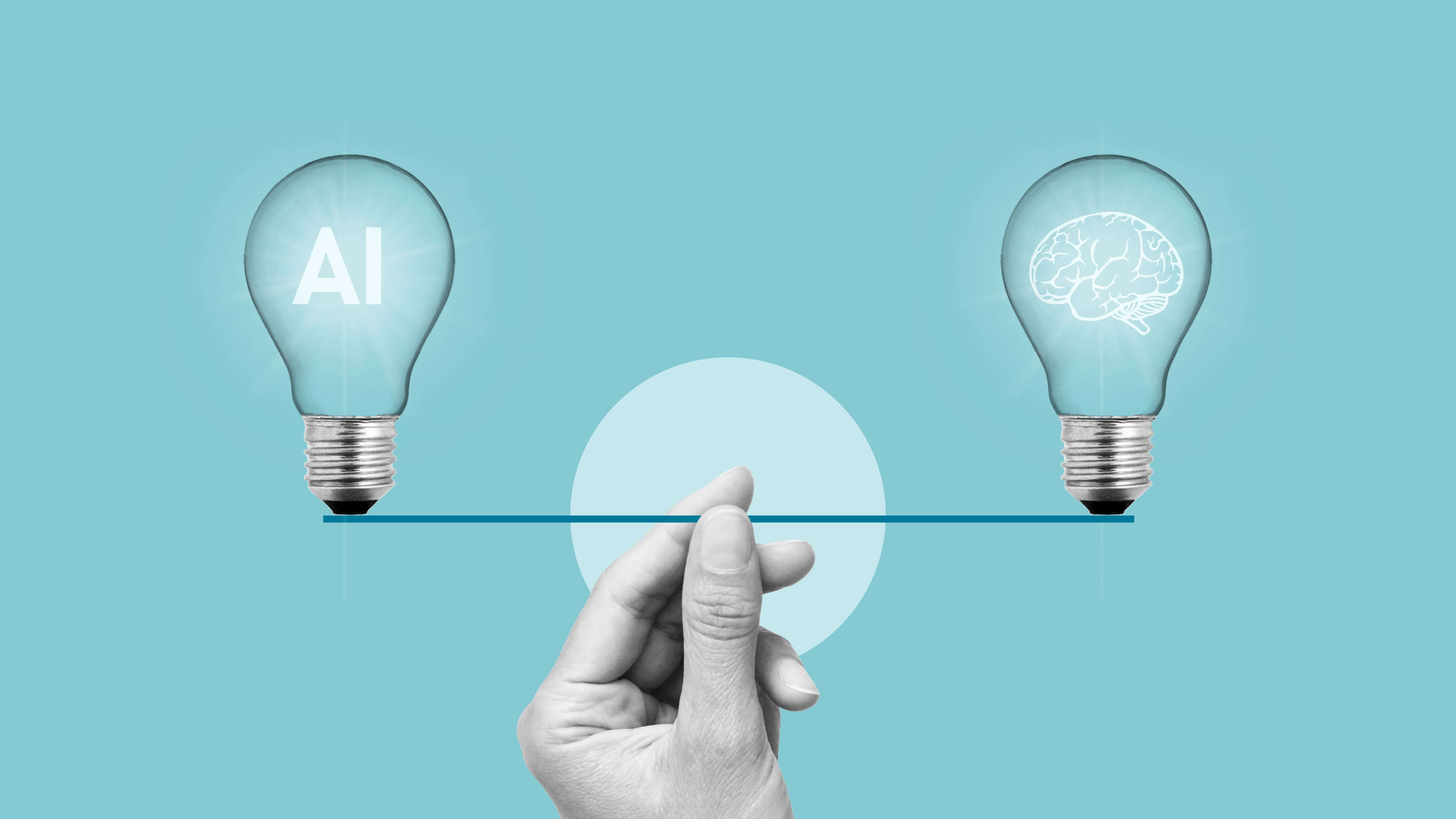
AI provides a wealth of opportunities to business owners when used strategically. The challenges with AI arise when there is a lack of strategy, clear direction, and objectives for utilising the technology. It's all too easy to jump into Gemini or ChatGPT and prompt away without any clear plan or goals in mind. The strategy is what makes your use of AI unique and different to your competitors.
This is what enables you to stand out. In a recent survey conducted by Let'sTalk Strategy and Email ToolTester, the most significant wins that marketers were seeing from implementing AI were saving time (71.3%), identifying data that can be used in decision-making (28.7%), and enhancing personalisation (27.6%). However, with the highs come the lows, and the biggest anxieties for marketers when using AI are producing generic content (63.2%) and losing creativity, as let's face it, that's the human input (27.6%).
As with any innovation or change to the status quo, like AI has had and continues to have, there can be resistance to change. This resistance remains the case for marketers, with sixteen per cent also being non-optimistic about AI's impact. The strategy guides your team, stakeholders, and suppliers in all pulling in the same direction to achieve the organisational mission. Without it, any technology, including AI, is being used for its own sake and won't be realising its true potential in terms of value.
So how do we use AI strategically and overcome these challenges? This is where the STRATEGY framework comes in. It's not a theory; hundreds of businesses have applied it.
- Scenario
The starting point is to understand your organisation's existing macro (external) and micro (internal) environments. This is where AI can play a role. AI can help you stay informed about the latest trends in your industry, the products and services being offered by your competitors, and the challenges in the industry.
The key here is to be strategic with your AI prompt: "Conduct a PESTLE analysis on the organisation XX, identifying the key external threats to the organisation." (Tiffany, 2025, Marketing Strategy: Implementing and Measuring a Successful Marketing Strategy). Once AI has provided you with this, check the sources, and you can then also dig deeper and ask it to summarise the three key findings for each PESTLE factor.
- Targets
Now to setting the marketing objectives. Again, AI can help with this if you provide the strategic context. The starting point in defining marketing objectives is the organisational goals - what does the organisation aim to achieve in the next 6-12 months? Provide this to AI, along with your scenario analysis findings above and a framework such as SMART (specific, measurable, achievable, realistic, and timely), so that these objectives become tailored to your organisation. This avoids the results being generic and ensures that the objectives will be robust for your marketing strategy.
- Reach
The environment in which we operate and compete is clear, and we have defined marketing objectives. Now, our focus turns to the customer. We need to understand our customers to market to them effectively. AI can help us gather this research, and we could base this on existing customers. Just remember to anonymise the information and data. It is then possible to create a persona in AI that resembles your customer or prospective customer and use that to test your marketing campaign against.
- Audience
Utilising the AI persona, which becomes almost like a virtual customer, where you can share your social media post ideas, for example, and ask the AI persona for their opinion, how would they respond if they saw the post, what would also grab their attention, drive action, etc. This enables you to test your marketing campaign strategically before it goes live.
- Tactics
By testing marketing campaign ideas with the AI persona, we can now identify the tactics that will reach, act, and engage the audience. This enables marketers to optimise resources, budget, and time because the campaign has already been tested in a much more strategic and efficient way than before the advent of AI.
- Execution
Many marketing tools now incorporate AI, enabling a marketing team to create AI agents that can create, dispatch and optimise marketing campaigns based on a brief/prompt. The human element remains vital throughout each stage, ensuring it aligns with the brand voice, which is what makes it unique and not generic. Additionally, the campaign's emphasis is not lost. For example, if the campaign aims to evoke positive emotions, that is something a human should test and verify.
7 & 8. Generate & Yield
The performance analysis of all marketing campaigns has always required a considerable amount of time, especially when it comes to thoroughly understanding the results beyond surface-level metrics. Measuring and tracking the results are an essential aspect for us to determine if the marketing objectives were met, as well as to identify what worked and what didn't. Those learnings can then be incorporated into future marketing campaigns. AI can analyse the performance and determine what should be repeated, what should be stopped and what needs to be adapted and why.
From my experience, this is where AI can truly shine, but also uncover the results that we may miss or not have the time or resources to analyse. AI can crunch the numbers in seconds, and if you provide a strategic prompt and insight into your organisation's context, the audience you are targeting, and so on, those analytical insights become even more specific to your organisation.
The next time you use AI or consider implementing it in a process, identify the STRATEGY to avoid being generic.
Jenna Tiffany is Founder and Strategy Director at marketing agency Let’sTalk Strategy and is an award-winning marketer and author.
Marketing Strategy (2nd Edition) by Jenna Tiffany is available on Amazon and all good bookshops from 3rd October 2025.



 Share article via email
How Businesses Can Harness AI To Create Marketing Strategies
Thanks for signing up to Minutehack alerts.
Brilliant editorials heading your way soon.
Okay, Thanks!