
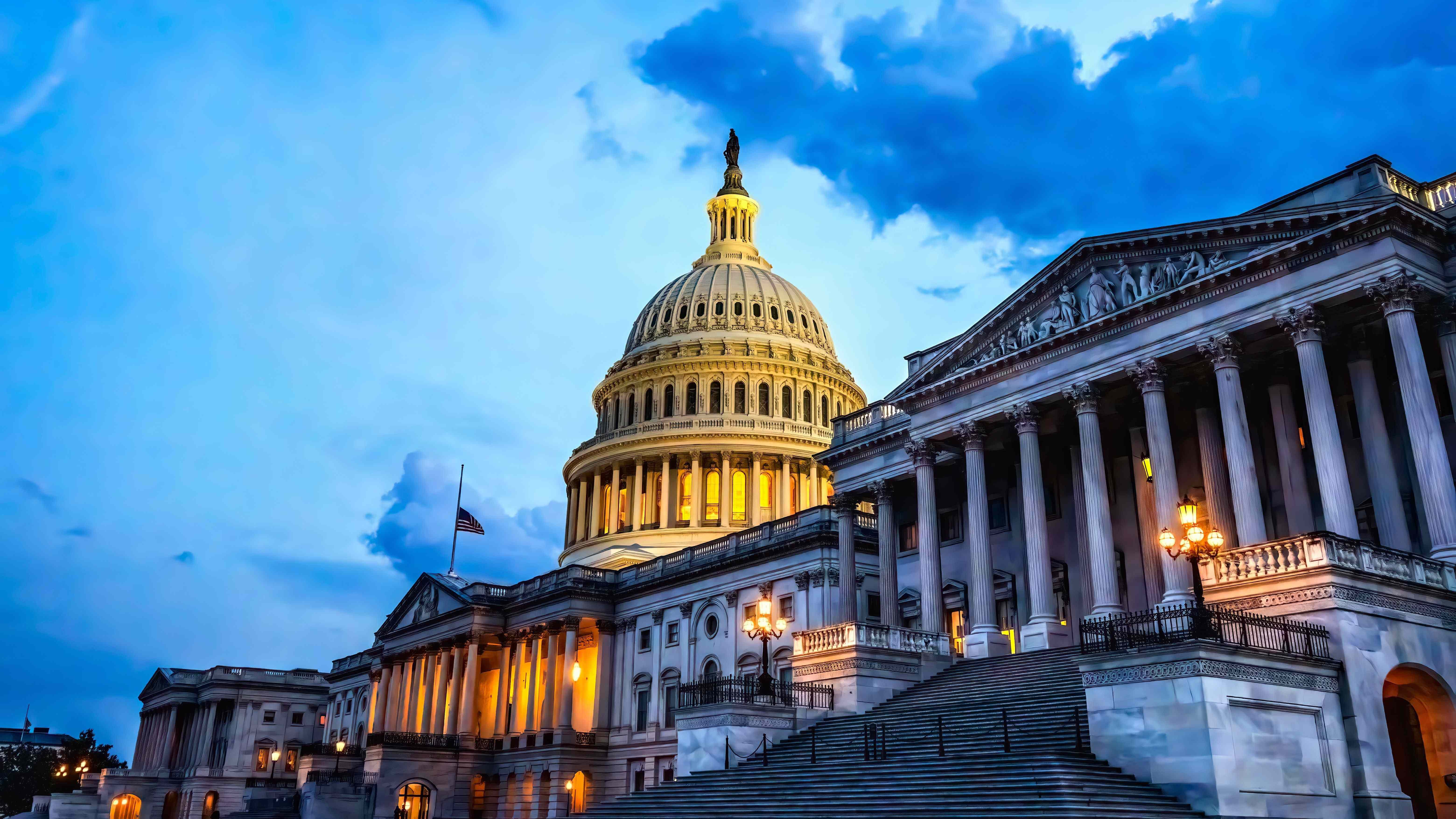
State networks quietly shape the balance of power in Washington, giving homegrown relationships outsized influence over national policy.
Table of Contents
- Understanding the Power of State Networks
- The Role of State-Based Lobbying Groups
- State Connections and Legislative Success
- The Influence of State Delegations
- Challenges and Criticisms
- Conclusion
Key Takeaways
- State connections are pivotal for amplifying influence in Washington, D.C.
- Regional networks facilitate information sharing and political collaboration.
- State-based lobbying groups play a central role in shaping federal policy.
- Legislators with robust state ties often achieve greater legislative success.
- Ongoing concerns about equity and the balance between state and national interests exist.
Understanding the Power of State Networks
The significance of personal and regional ties in American politics cannot be overstated. These networks form the backbone of influence, shaping everything from legislative collaboration to political strategy. In Washington, D.C., individuals and organizations who maintain strong connections to their home states often find themselves better positioned to wield power at the national level. State affiliations open doors, forge alliances, and bolster initiative support, proving that geography can be as influential as ideology.
Notably, state roots became especially valuable currency in the intricate context of the Trump administration. The influence of well-connected individuals—such as Brian Ballard—exemplifies how a deep connection to a specific state can translate into substantial political leverage in the nation’s capital. Connections foster trust and shared priorities, making state-based networks increasingly sought after by those aiming to shape federal policy.
The Role of State-Based Lobbying Groups
State-based lobbying groups are powerful conduits between local constituencies and Washington’s corridors of power. These organizations advocate for their states’ interests, bringing local priorities to the attention of federal lawmakers. They coordinate efforts to highlight issues like infrastructure needs, healthcare funding, and education reform, ensuring these topics are rightfully on the legislative agenda.
Their impact extends far beyond simple advocacy. State-based groups often serve as early warning systems for emerging concerns within their regions, relaying critical information to policymakers before issues become national crises. Moreover, they help cut through partisan deadlock by focusing on practical, region-specific solutions, creating avenues for bipartisan support.
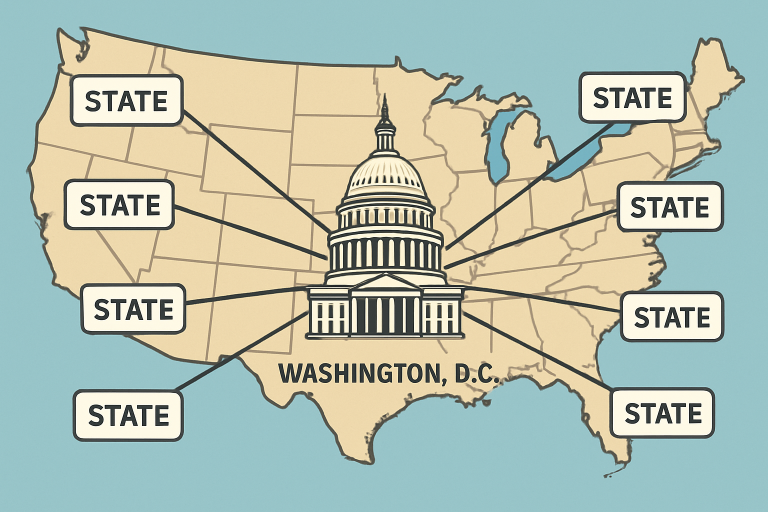
State Connections and Legislative Success
Legislators who maintain robust relationships with their home states enjoy notable advantages in Washington. These ties serve as a ready-made support system, enabling lawmakers to rally backing for their proposals more efficiently. When regional interests overlap with broader legislative agendas, representatives can leverage these connections to create coalitions that cross party lines, increasing their chances of passing meaningful legislation.
Furthermore, legislators with strong state networks often find it easier to secure committee appointments or leadership roles, as party leaders value the ability to deliver votes from critical regions. This influence can shape the fate of bills, appropriations, and even federal regulations, underscoring the strategic importance of maintaining deep state ties.
The Influence of State Delegations
State delegations—groups of senators and representatives from the same state—form influential voting blocs that can play decisive roles in tight legislative battles. By presenting a united front, these delegations are better positioned to extract concessions or secure favorable policy changes for their constituents. State delegations often coordinate behind closed doors, pooling their votes and negotiating as a unit to maximize their collective leverage.
The power of strong state delegations becomes most evident during key budget negotiations or national emergencies, where swift, unified action is required. Ultimately, these alliances ensure that state interests remain front and center, even amid complex federal policymaking.
Challenges and Criticisms
While state connections are practical tools for gaining influence, they raise important questions about equity and fair representation. Critics warn that states with more organized networks and wealthier constituencies may receive disproportionate federal attention and resources, leaving less-connected regions disadvantaged. This dynamic can further entrench disparities between states, making it harder to advance national priorities that benefit all Americans equally.
Additionally, the reliance on state networks sometimes skirts transparency, as informal alliances and backdoor negotiations make it difficult for the public to track how and why decisions are made. Addressing these challenges requires ongoing scrutiny and reforms that balance respecting state interests and fostering a truly national perspective.
State connections are an enduring—if sometimes controversial—feature of American political life. They provide pathways for regional concerns to influence national debate, boost legislative success, and remind us that U.S. policymaking is as much about relationships as it is about rules. For anyone seeking to understand the dynamics of influence in Washington, an appreciation of state networks is essential, offering key insights into the potential and the limitations of U.S. democracy.
Most read in News
Trending articles on News
Top articles on Minutehack


 Share article via email
How State Connections Shape Influence In Washington
Thanks for signing up to Minutehack alerts.
Brilliant editorials heading your way soon.
Okay, Thanks!